For most of the past decade, the story in commercial aviation manufacturing has been simple: Airbus is winning, Boeing is struggling. The 737 MAX groundings, 787 quality control headaches, and the endless 777X certification saga handed Airbus a lead it has held in deliveries for seven straight years. In 2026, something shifted.
Boeing delivered 143 aircraft in the first quarter of 2026 to Airbus’s 114 — the first time in years the American manufacturer has out-delivered its European rival in a comparable period. Through May, Airbus has closed the gap, delivering 262 planes to Boeing’s 250, but the direction of travel is notable. Boeing appears to have largely resolved the production issues that plagued 737 MAX and 787 deliveries, and the numbers are reflecting it.
The Narrowbody War
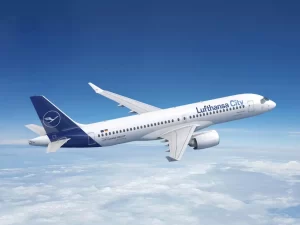
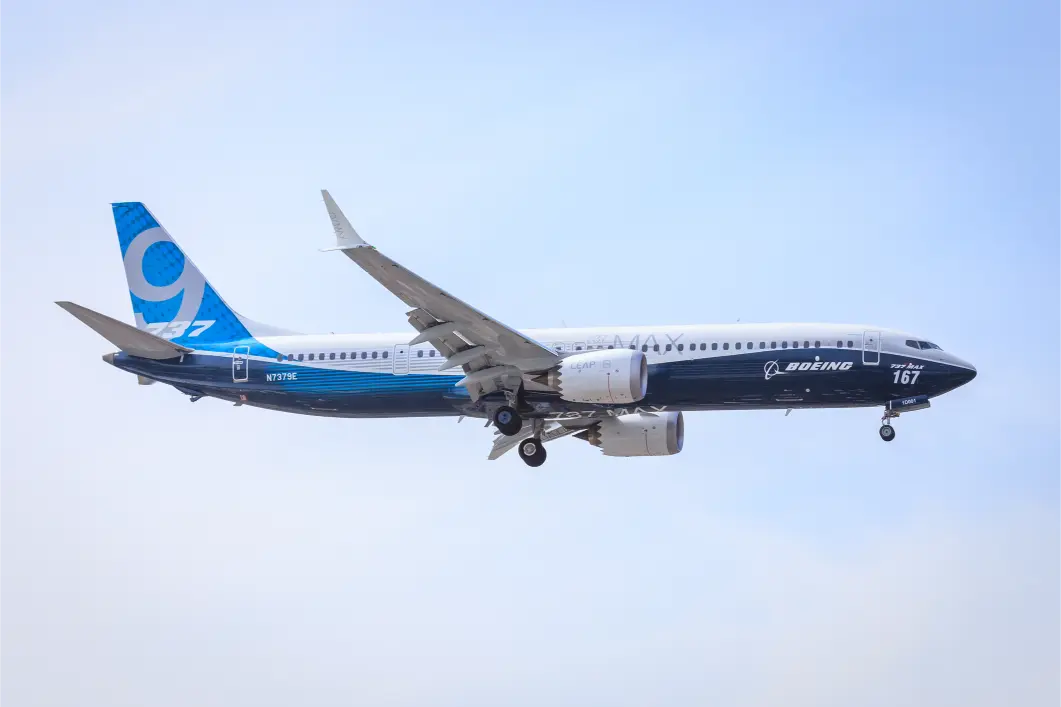
The narrowbody market is where volume lives, and here Airbus still dominates. The A321neo remains one of the most sought-after aircraft in commercial aviation history, with over 7,500 orders — outselling the entire 737 MAX family on its own. Boeing’s 737 MAX 8 has held its own against the A320neo, but the 737 MAX 9 has failed to seriously challenge the A321neo, and the 737 MAX 10 — still awaiting certification — is the next shot Boeing has at changing that dynamic.
The Widebody Battle
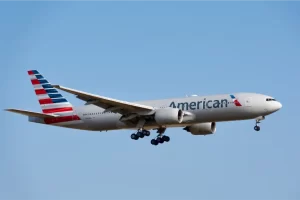
Widebodies are where the real money is, and Boeing has quietly held the advantage. The 787 Dreamliner remains the most popular widebody on sale, posting its second-best order year ever in 2025 with 368 orders. The 777X — still not certified — has been a prolonged headache, but once it enters service it targets the same market as Airbus’s A350-1000: airlines retiring aging 777-300ERs and needing a true next-generation flagship.
Airbus’s counter is the A350-1000, which outsold the A350-900 in 2025 for the first time — a sign the market is ready for it as a 777 replacement. The A330neo has also carved out a niche as a cost-effective mid-size widebody for carriers that want 787-level fuel efficiency without the range premium or price tag.
What the Production Numbers Mean
Boeing is targeting 52 737 MAX deliveries per month, eventually pushing toward 63. Airbus is building A320neos at 60 per month and targeting 75. On widebodies, both manufacturers are ramping — Airbus pushing A350 production toward 12 per month by 2028, Boeing targeting 10 787s monthly with potential upside to 16.
Whoever gets there first wins not just in revenue but in customer trust — in an era of chronic supply chain delays, on-time delivery has become a competitive advantage in its own right.
Why It Matters: The Boeing-Airbus battle shapes every airline’s fleet decision, which ultimately shapes your flying experience — which routes get new aircraft, which cabins get upgraded, and which carriers can expand where you want to go. Boeing’s delivery recovery in 2026 is the first concrete sign the manufacturer may be turning a corner after years of self-inflicted damage.
Source: Airbus Booked 170 Orders In 1 Quarter, But Boeing Quietly Won The Delivery Race By 2026