Table of Contents
A Super-Midsize Jet Built Around Capability—Not Escalation
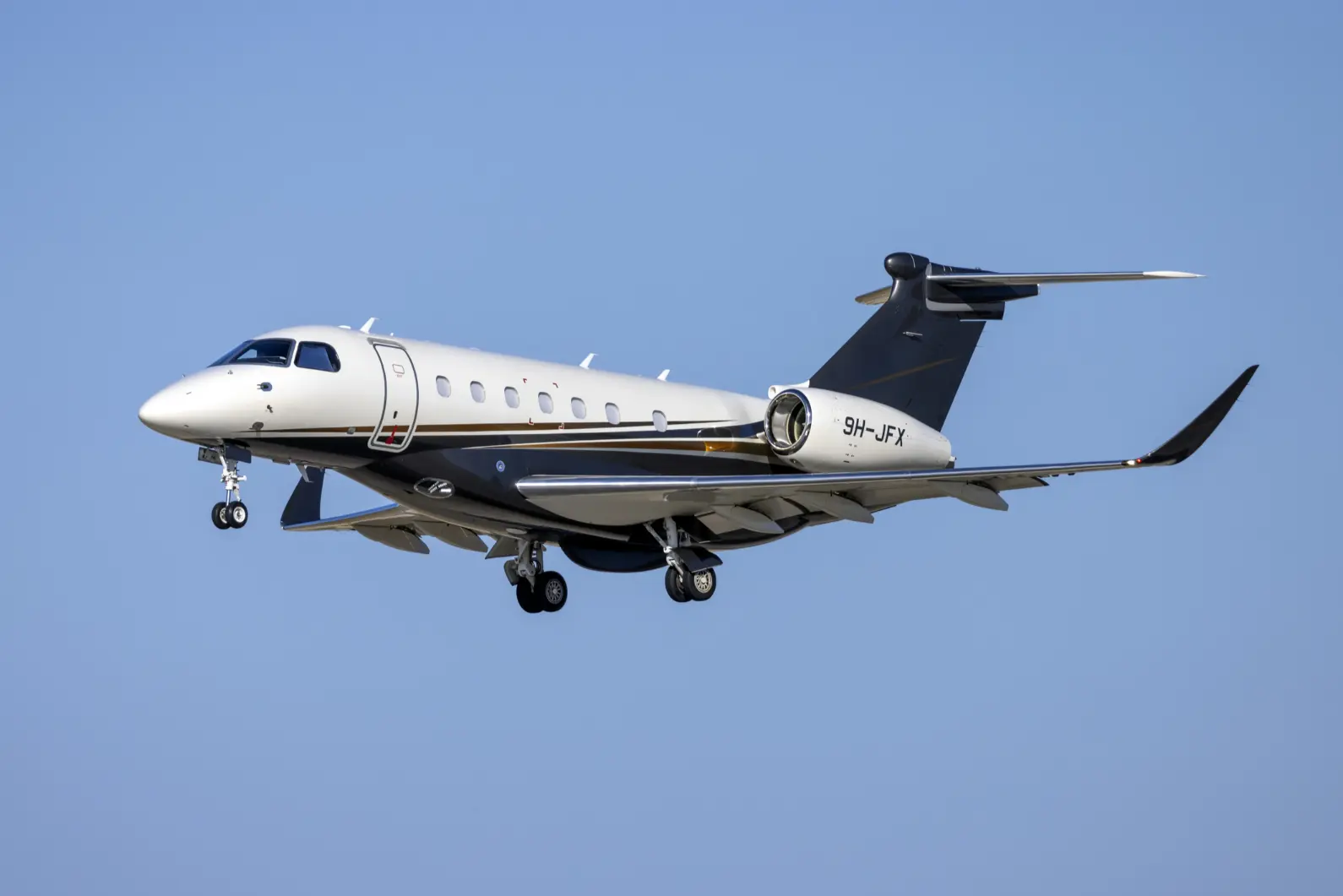
The Praetor 600 is often approached as a natural progression: more range, more cabin, more flexibility. In practice, it represents something more specific. It is Embraer’s interpretation of a super-midsize aircraft designed to consolidate capability rather than expand it endlessly.
Unlike aircraft that invite owners to continuously push mission boundaries, the Praetor 600 is built to handle a broad but defined operating envelope with composure. It rewards buyers who want confidence across most missions, rather than maximum reach at the edges.
Evaluating the Praetor 600 correctly requires understanding that it is not simply a larger Phenom. It introduces a different ownership posture—one that prioritizes capability coverage, operational stability, and fewer compromises across a wider range of trips.
How the Praetor 600 Fits Within the Embraer Lineup
Within Embraer’s lineup, the Praetor 600 sits at the top end of the company’s business jet offering. It is not an incremental upgrade, but a clear shift in category—from light jet thinking to super-midsize ownership.
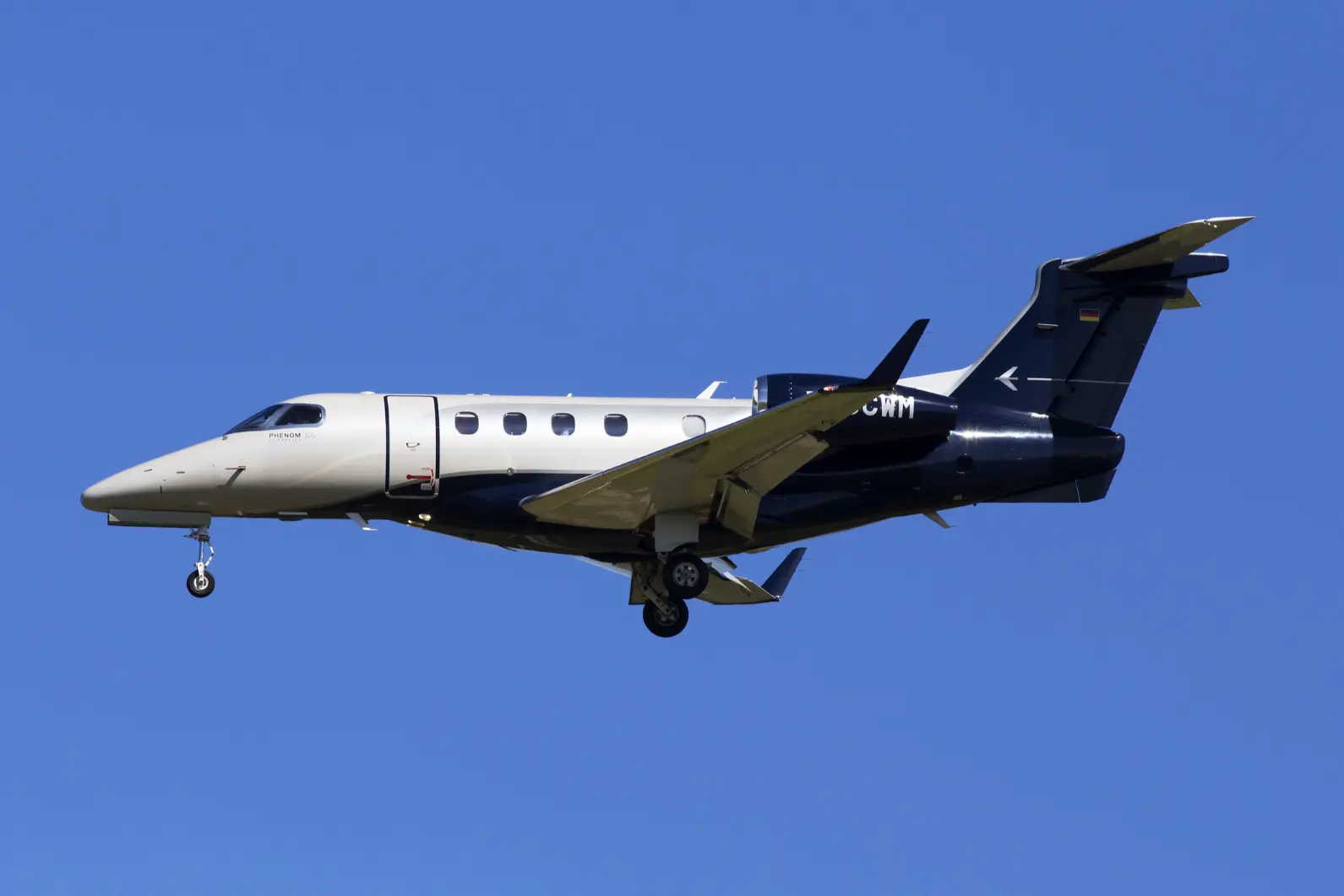
The Praetor 600 is often considered by buyers moving up from the Phenom 300, as well as by those stepping down from large-cabin aircraft who are reassessing utilization and complexity. In both cases, the aircraft tends to appeal to owners who want fewer edge cases rather than more ambition.
Unlike the Praetor 500, which can still feel transitional, the 600 stands on its own. It is designed to be a long-term solution for owners whose missions have stabilized and who want broad capability without committing to large-cabin scale.
Mission Profile & Real-World Use
The Praetor 600 performs best when used across a diverse but consistent mission set. It is well suited for longer nonstop legs, higher passenger counts, and international operations that would stretch light jets into uncomfortable tradeoffs.
In real-world use, owners often value the aircraft’s ability to absorb variation without constant recalibration. Trips can change, loads can shift, and destinations can extend without dramatically altering how the aircraft is planned or flown.
That said, the Praetor 600 is not designed to eliminate discipline. While more forgiving than smaller aircraft, it still rewards intentional planning. Owners who treat its capability as margin rather than entitlement tend to experience smoother operations over time.
Cabin & Passenger Experience
The Praetor 600 cabin reflects its position as a super-midsize aircraft rather than an oversized light jet. It offers meaningful improvement in space, comfort, and flexibility without pushing into large-cabin expectations.
Passengers benefit from greater freedom of movement, improved noise characteristics, and a layout that supports longer legs more comfortably. For many owners, this is where the upgrade feels most tangible—particularly when missions extend beyond regional travel.
Where expectations should remain grounded is in treating the cabin as a substitute for large-cabin aircraft. While comfortable and capable, it is still designed around efficiency and mission realism rather than open-ended luxury.
Avionics & Pilot Environment
The Praetor 600’s cockpit emphasizes integration, automation, and consistency across longer and more complex missions. The systems are designed to reduce workload as mission demands increase, rather than simply add capability.
For professional crews, the environment supports standardization and predictable execution across a wide range of conditions. Owner-flown operation is less common at this level, but for those who pursue it, training and procedural discipline become increasingly important.
The pilot environment reflects a clear shift from light jet thinking. The aircraft expects structure, preparation, and familiarity—and rewards them with stability and confidence in operation.
Performance & Operational Reality
From a performance standpoint, the Praetor 600 offers strong range, payload flexibility, and operational margin within the super-midsize category. Its value lies less in headline numbers and more in how consistently those capabilities can be accessed.
In real-world operation, owners benefit from fewer mission-driven compromises. Longer legs, higher loads, and more demanding environments can be accommodated without constant tradeoffs between comfort and capability.
Problems tend to arise when buyers expect the aircraft to behave like a large-cabin jet without the corresponding scale. While highly capable, the Praetor 600 still operates within defined boundaries—and understanding those boundaries is key to long-term satisfaction.
Ownership & Operating Considerations
Ownership of the Praetor 600 represents a meaningful step up in commitment compared to light jets. Crew expectations, maintenance planning, and operational oversight become more formalized, particularly for international or high-utilization operations.
That said, many owners find the experience more stable rather than more burdensome. The aircraft’s ability to absorb mission variability often reduces operational friction, even as complexity increases.
Buyers who approach ownership with realistic expectations around scale, staffing, and planning tend to find the Praetor 600 a balanced and sustainable aircraft over time.
Common Buyer Misconceptions
“It’s a natural next step from a light jet.”
While often considered after the Phenom 300, the Praetor 600 introduces a different ownership model that should be evaluated deliberately, not assumed.
“It replaces the need for a large-cabin aircraft.”
The Praetor 600 covers a wide range of missions, but it does not eliminate all large-cabin use cases.
“More capability means less planning.”
The aircraft is forgiving, but discipline still matters—particularly as mission scope increases.
Most dissatisfaction stems from underestimating how much the ownership experience changes at this level.
Who the Praetor 600 Is Right For
The Praetor 600 is well suited for owners whose missions regularly exceed light jet limits and who want consistent capability across a broader operating envelope.
It aligns particularly well with:
Principals flying longer domestic or international missions
Buyers seeking stability rather than constant upgrading
Owners stepping down from large-cabin aircraft intentionally
Operations that value margin and consistency over maximum scale
It is less compelling for buyers whose missions remain primarily regional or whose utilization does not justify the added complexity.
Advisory Perspective
The Praetor 600 is best evaluated as a consolidation aircraft. It brings together range, comfort, and operational margin into a single platform designed to reduce compromise rather than expand ambition.
For owners who have clarified their missions and want confidence across most scenarios, it can be a highly effective long-term solution. For those still exploring how they fly—or planning around occasional extremes—it may introduce more aircraft than necessary.
As with any step into a higher category, alignment matters more than capability.