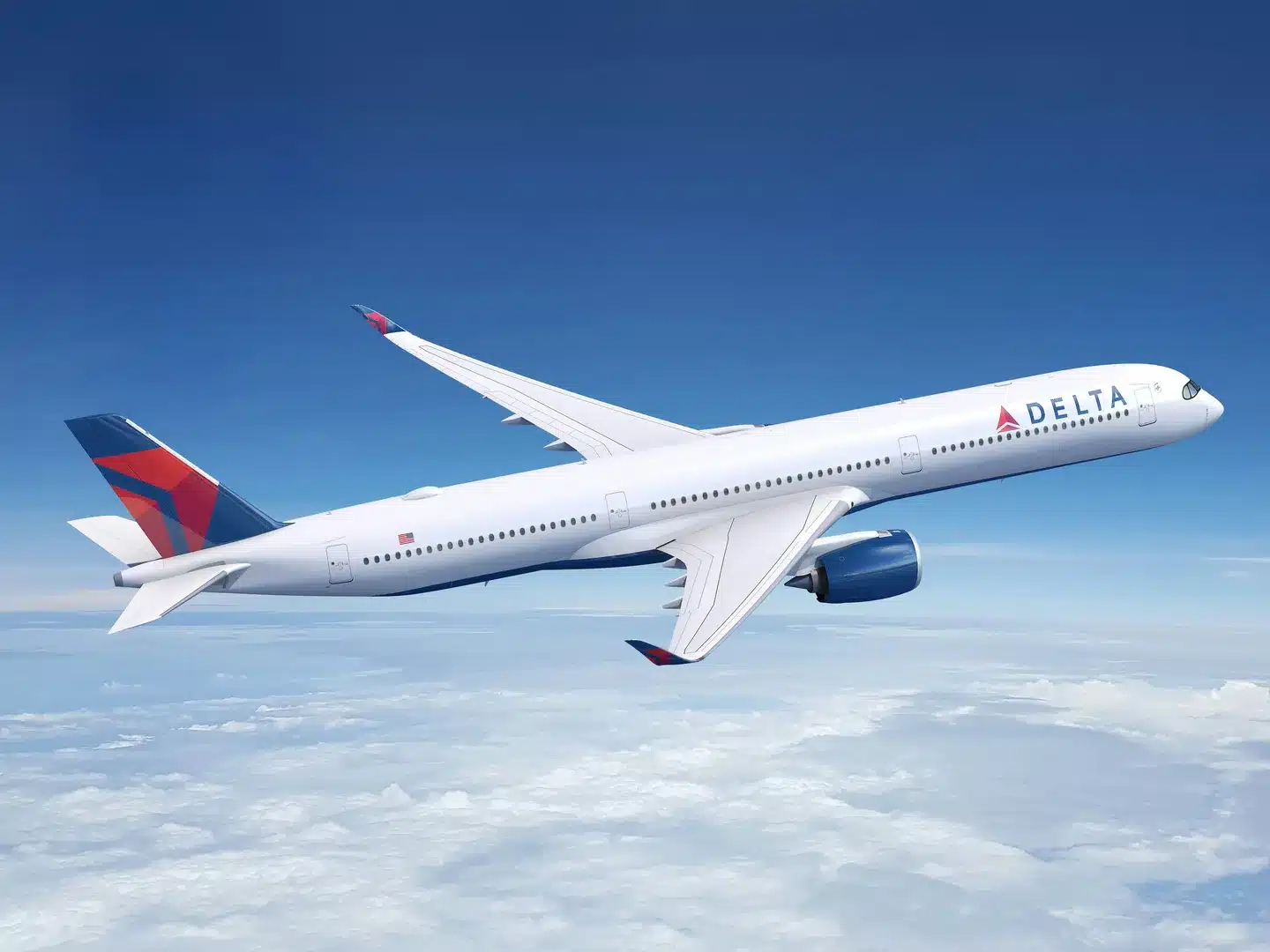
Delta Air Lines CEO Ed Bastian has a clear answer for travelers frustrated by elevated ticket prices: the problem isn’t just fuel costs — it’s the air traffic control system, and until that gets fixed, supply stays constrained and fares stay high.
“Prices will come down when we can fly more, when there’s more supply,” Bastian told Fox Business. “Right now we’re kind of logjammed. There’s not a lot of supply we can bring in because the air traffic control system is congested.”
The fuel picture has improved. After the U.S.-Iran peace deal eased Middle East tensions and oil prices retreated from their March highs, Bastian acknowledged the initial 10-15% fare spike across the industry was “probably the right level” given that rising energy costs hit Delta’s bottom line by nearly $2 billion. With oil prices falling, he says Delta is now “in a pretty good spot” on that front.
But the ATC bottleneck is the longer-term constraint. Bastian credited recent government investment in modernizing the system, calling the progress made in the last 18 months more significant than anything achieved in the prior few decades — and framing smoother airspace as the key lever for expanding capacity and, eventually, lowering fares.
On Delta’s own finances, Bastian said the airline has recaptured investment-grade ratings from all three major credit agencies, won back Berkshire Hathaway as a top shareholder, and is building toward what he called a “fortress balance sheet” — something he says has never existed in the airline industry before.
Why It Matters: The next time your airfare feels stubbornly high, Bastian’s answer is worth keeping in mind: it’s less about airline greed and more about a system that can’t physically move enough planes. ATC modernization — not just fuel prices — is the real unlock for cheaper tickets.
Source: Delta CEO Ed Bastian Reveals What He Says Must Happen for Airline Ticket Prices to Fall